Earth's landscapes and natural areas provide vital resources that we all depend on—clean air and water, climate regulation, food security, and countless resources that support economies worldwide. Working alongside Indigenous peoples, local communities, governments, and conservation organizations, the Wyss Foundation supports efforts to permanently protect critical lands worldwide, ensuring that future generations inherit a planet where nature can flourish and people can thrive.
Why Land Conservation Is Critical for Our Planet
Natural landscapes face relentless pressure from expanding development and industries that fragment ecosystems, pushing wildlife toward extinction. Scientists warn that we are in the midst of Earth's sixth mass extinction, with species disappearing at rates one thousand times faster than the natural background rate for extinction. Habitat loss stands as the primary driver of this crisis. When forests are razed, grasslands converted, and wetlands drained, species that depend on these ecosystems suffer. The consequences ripple through entire food webs, destabilizing the ecological relationships that have evolved over millions of years.
Beyond biodiversity loss, the destruction of natural landscapes accelerates climate change, threatening human well-being. Forests, grasslands, and wetlands store enormous quantities of carbon in their plants and soils. When these ecosystems are destroyed, the carbon they contain enters the atmosphere as greenhouse gases, warming the planet and increasing the intensity and frequency of extreme weather events. Deforestation alone accounts for roughly ten percent of global greenhouse gas emissions—more than all the world's cars, trucks, and planes combined. Meanwhile, the loss of natural landscapes eliminates the ecosystems that regulate local climates, maintain water cycles, and protect communities from floods, droughts, and storms.
Land conservation offers a powerful solution to these interconnected crises. Protected areas provide refuges where species can survive and ecosystems can function. Intact forests and grasslands continue to absorb carbon and other greenhouse gases from the atmosphere, helping to slow climate change while maintaining the clean air and water that communities depend on. Conservation efforts also support human well-being by protecting ecosystems and the natural value they provide, such as pollination, water purification, soil formation, and climate regulation.
How the Wyss Foundation Supports Land Conservation
The Wyss Foundation supports land conservation work that emphasizes scale, permanence, and partnership. The Foundation works with nonprofit partners to identify landscapes of global significance—places that harbor exceptional biodiversity, store significant carbon, provide vital ecosystem functions, or represent the last strongholds for endangered species.
In 2018, Hansjörg Wyss and the Wyss Foundation launched the Wyss Campaign for Nature with an audacious goal: help protect 30% of the planet in a natural state by 2030. This target, now formally endorsed by nearly 200 countries through the Global Biodiversity Framework in 2022, recognizes that maintaining a livable planet requires protecting nature at an unprecedented scale. Scientists have identified 30% as a critical threshold. Below this level of protection, we risk triggering irreversible declines in biodiversity and ecosystem function that would undermine human wellbeing. To advance this goal, the Wyss Foundation committed $1 billion, later increasing it to $1.5 billion, by 2030. This unprecedented philanthropic investment supports conservation projects across six continents, helps build the capacity of local and Indigenous communities to lead conservation efforts, supports local economies, respects traditional knowledge, and advocates for policies that accelerate progress toward 30x30.
The Foundation's land conservation portfolio spans diverse ecosystems, each critical to global ecological health. Forest conservation protects the lungs of the planet while preserving habitat. Grassland and rangeland conservation maintains open spaces benefiting wildlife while supporting local communities. Desert and dryland protection safeguards ecosystems adapted to extreme conditions and home to specialized species found nowhere else. Mountain conservation protects watersheds that provide water to billions of people while preserving some of Earth's most dramatic landscapes. Across all these efforts, the goal remains constant: create permanent protection for natural landscapes at a scale sufficient to maintain ecological integrity.
Since its establishment in 1998, the Wyss Foundation and its partners have permanently protected more than 130 million acres of land—an area nearly the size of Spain. Example projects include:
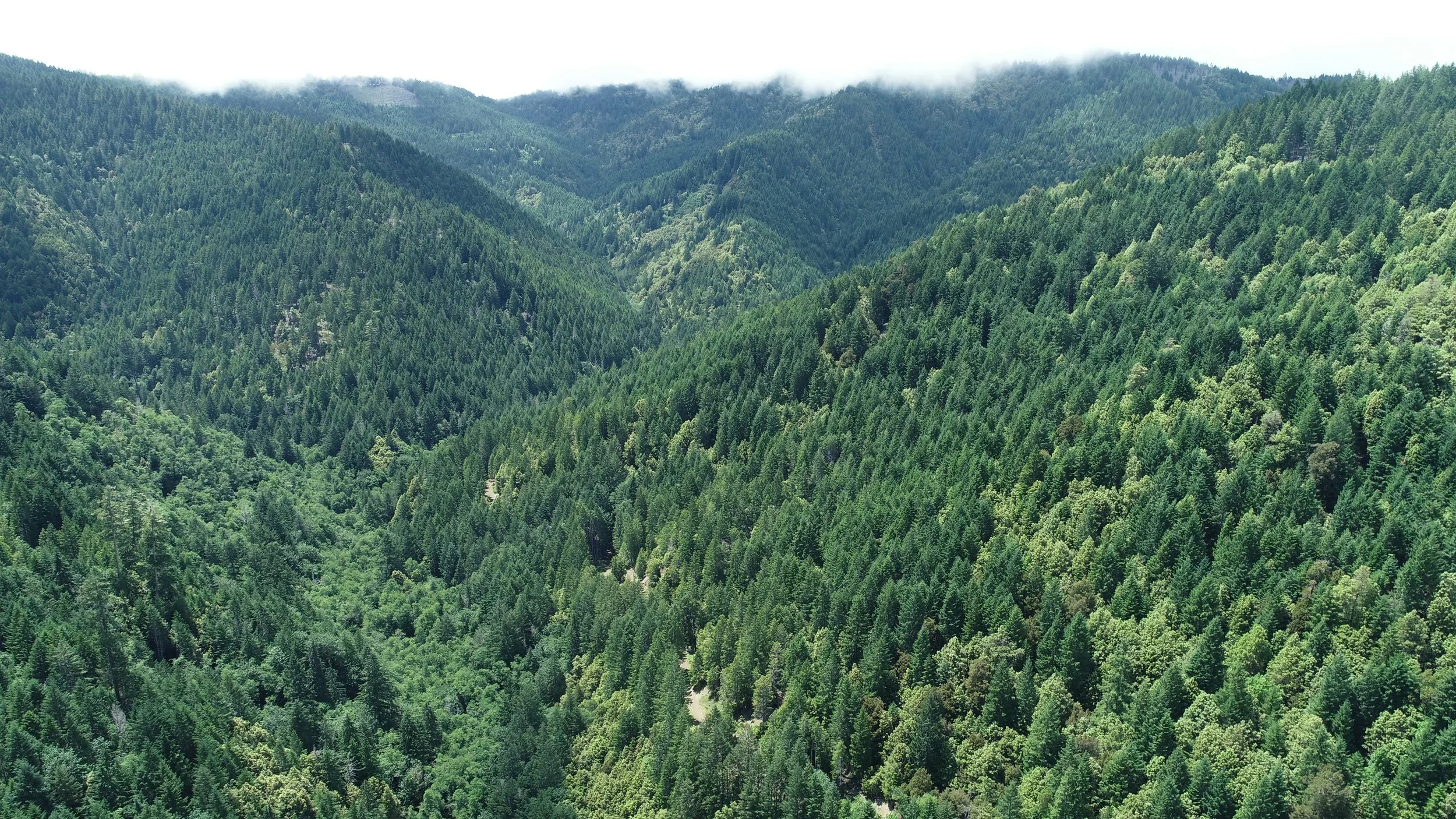
In the U.S., the Foundation has supported areas like the Hupa Mountain and Pine Creek that protects a Douglas-fir forest, native species, and clean water for the region. This property borders the Hoopa Valley Tribe’s reservation, and through this project, the Tribe reacquired the land after losing access to and use of the area for more than 160 years.
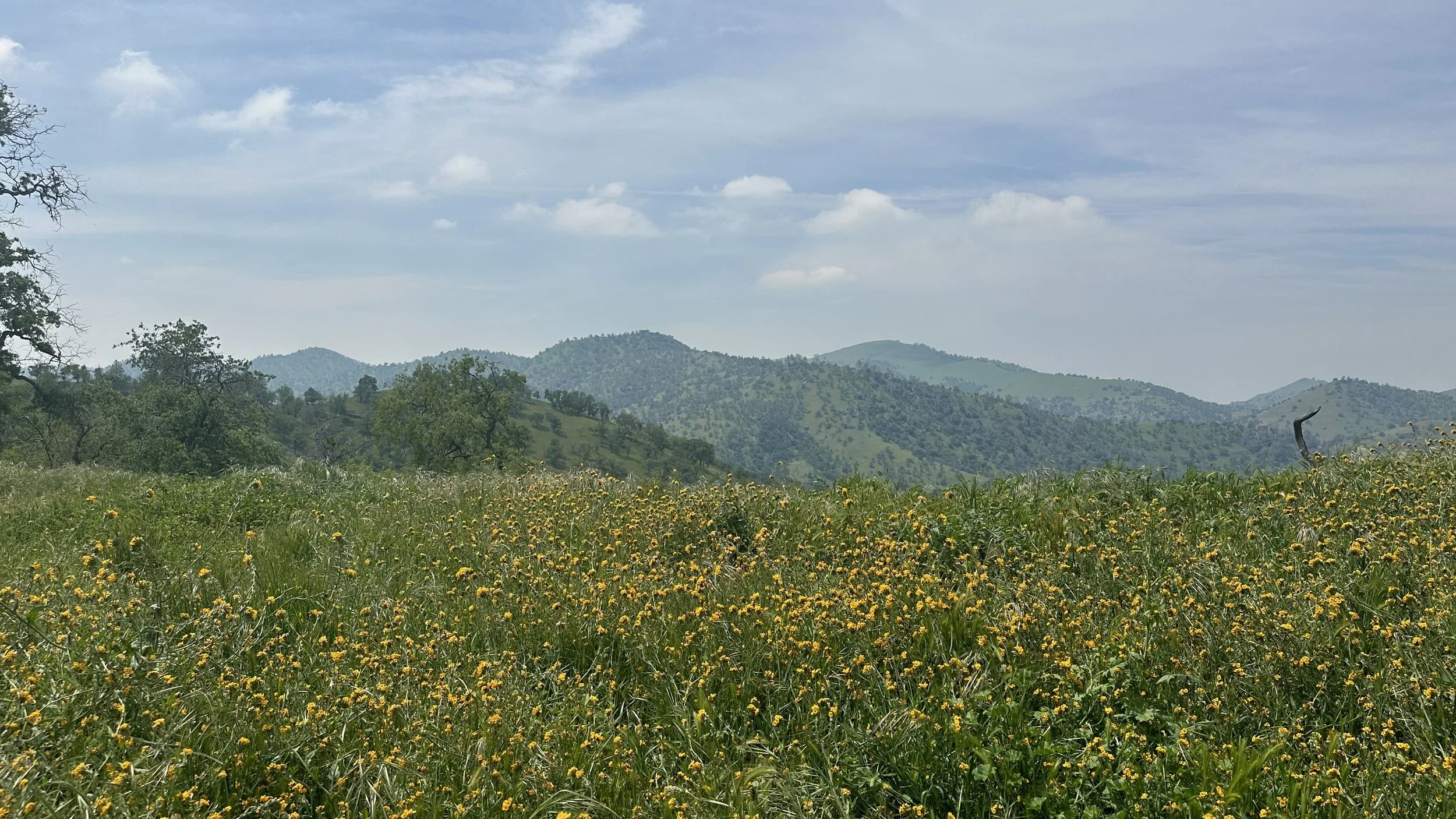
The Foundation also helped advance the Hershey Ranch project by promoting both Indigenous sovereignty and conservation, returning ancestral lands to the Tule River Tribe. The property is now protected and managed through traditional stewardship. Similarly, the Wyss Foundation’s support of the Blue Creek Salmon Sanctuary and Yurok Tribal Community Forest restored ancestral lands to the Yurok Tribe while safeguarding one of the Klamath River’s most vital salmon refuges. Both projects secured lasting benefits for people, wildlife, and the ecosystem.
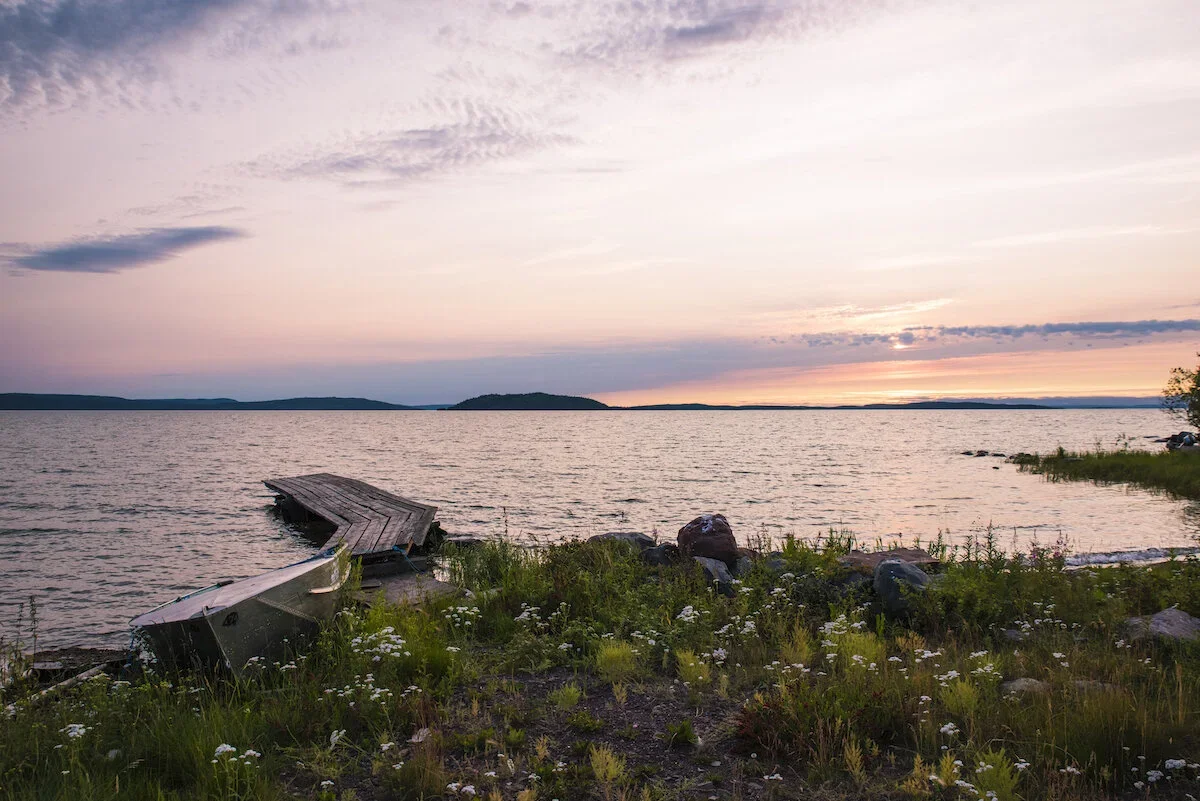
The Foundation's support helped establish the 6.5 million-acre Thaidene Nene National Park Reserve and Territorial Protected Area in Canada's Northwest Territories, protecting boreal forests that store vast amounts of carbon and provide habitat for caribou and wolverines. With the participation of nonprofits and governments, the effort secured one of the world’s largest Indigenous-led conservation areas. The project established a permanent co-management fund, ensuring communities can steward their traditional homelands, sustain wildlife and carbon-rich ecosystems, and provide livelihoods through Indigenous Guardian programs.
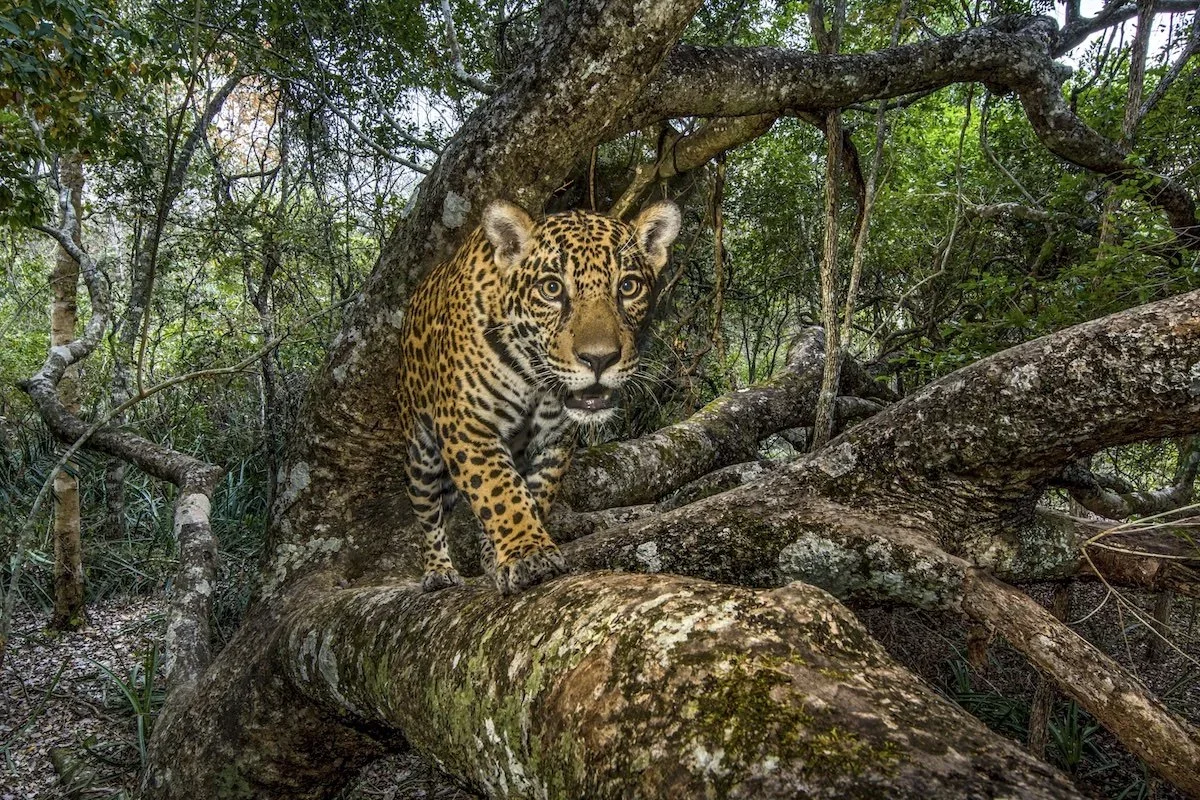
In Central America, the Foundation supported the Maya Forest Corridor in Belize, protecting tropical forests that harbor jaguars, tapirs, and hundreds of bird species while connecting larger protected areas across the region.
In South America, the Foundation support helped secure the designation of the 260,000-acre Traslasierra National Park and National Reserve in Argentina, protecting a pristine section of the severely threatened Dry Chaco bioregion. The park’s creation benefits nearby communities by promoting sustainable tourism, preserving clean water and natural resources, and protecting a landscape central to local cultural identity and economic opportunity.
In Australia, the Foundation's work includes supporting the Mt. Gibson Protected Area, the Eastern Outback Parks, and the expansive Munga-Thirri-Simpson Desert National Park, protecting diverse habitats from coastal areas to the arid interior. These projects demonstrate how strategic conservation can protect the full range of ecosystems within biodiverse regions, ensuring that species have the habitats necessary to adapt as the climate changes.
In Central Asia, the Bokey Orda State Nature Reserve and Ashiozek State Nature Sanctuary in Kazakhstan protects important habitat for the critically endangered saiga antelope and other species adapted to the region's steppes and semi-deserts. Collaboration with the national government was key to securing lasting protection for more than 1.6 million acres of steppe grasslands, demonstrating how strong public–private partnerships can advance national conservation priorities and safeguard critical wildlife habitat.
In Africa, the Wyss Foundation supports a network of local and international partners, including the Frankfurt Zoological Society, to strengthen anti-poaching efforts and wildlife protection. Through these partnerships, the Foundation is helping safeguard elephants, rhinos, and other threatened species, reinforce community engagement, and ensure that the region’s iconic parks continue to sustain both people and wildlife for generations.
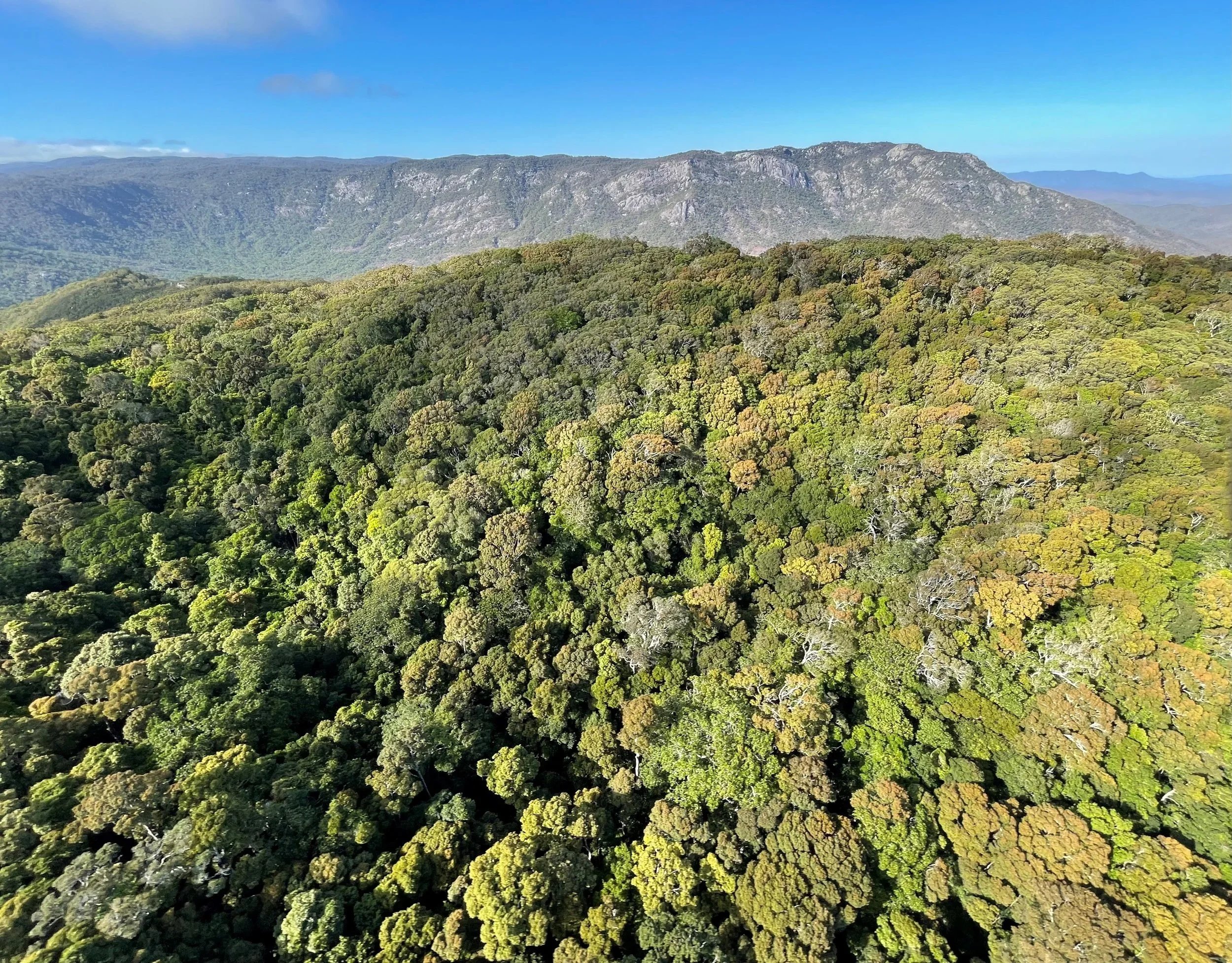
The Lost World in the foreground with the ramparts of Mt. Windsor behind on Mt. Gibson (Australia) | Photo Credit: South Endeavour Trust
Current Land Conservation Projects in Action
The Wyss Foundation maintains an active portfolio of land conservation projects spanning diverse geographies and ecosystems. These projects demonstrate how philanthropy can catalyze conservation at scale, leveraging resources to unlock much larger commitments. From protecting wilderness in the American West to safeguarding biodiversity hotspots worldwide, these initiatives represent long-term investments in planetary health.
Visit the Wyss Campaign for Nature to explore the full range of land conservation initiatives the Foundation supports and learn how these projects are helping to create a more sustainable future.
Frequently Asked Questions About land Conservation
What is land conservation?
Land conservation is the practice of protecting natural areas from development and degradation to preserve their ecological, cultural, and recreational values. It encompasses various strategies, including purchasing land for permanent protection, establishing national parks and reserves, supporting conservation easements that maintain private ownership while restricting harmful uses, and partnering with Indigenous peoples and local communities to steward lands in accordance with traditional practices.
Why is land conservation important?
Land conservation is crucial for preserving the ecological systems that sustain all life on Earth, including human civilization. Protected natural areas preserve biodiversity by providing habitat for species, many of which are at risk of extinction. Intact ecosystems help provide clean air and water, food, pollination, and flood control. These landscapes store enormous quantities of carbon, helping to mitigate climate change while maintaining the water cycles, soil formation processes, and climate regulation that societies depend upon. Land conservation also protects the places that Indigenous peoples and local communities have stewarded, preserving cultural heritage, supporting traditional livelihoods, and ensuring that future generations can experience the wonder and beauty of wild places.
What are the different types of land conservation?
Land conservation takes many forms, depending on the ecological context, ownership, and community needs.
Land acquisition involves purchasing property outright for permanent protection, often transferring it to government agencies or land trusts.
Creating protected spaces like national and state parks, wilderness areas, and wildlife preserves plays a role in maintaining healthy ecosystems and contributes significantly to local economies.
Conservation easements allow private landowners to voluntarily restrict development while retaining ownership, permanently protecting the land’s ecological values.
Indigenous-led conservation recognizes the rights and knowledge of Indigenous peoples, supporting communities in protecting their traditional territories in accordance with their own priorities.
Community conservancies and co-management arrangements involve local communities directly in conservation decision-making and benefit-sharing.
What is the 30x30 conservation initiative?
The 30x30 initiative is a global commitment to protect thirty percent of Earth's lands and waters in a natural state by 2030, recognizing this as a critical threshold for maintaining biodiversity and ecosystem function. In 2022, nearly 200 countries ratified the Global Biodiversity Framework, a plan to preserve at least 30% of the planet’s lands and waters by 2030, making it one of the most ambitious conservation goals in history. The Wyss Foundation helped catalyze this movement through the Wyss Campaign for Nature, committing at least $1.5 billion to advance progress toward the 30x30 goal. Achieving this goal requires establishing new protected areas, improving management of existing ones, recognizing Indigenous and community-conserved areas, and ensuring that protection delivers benefits for both nature and people.