
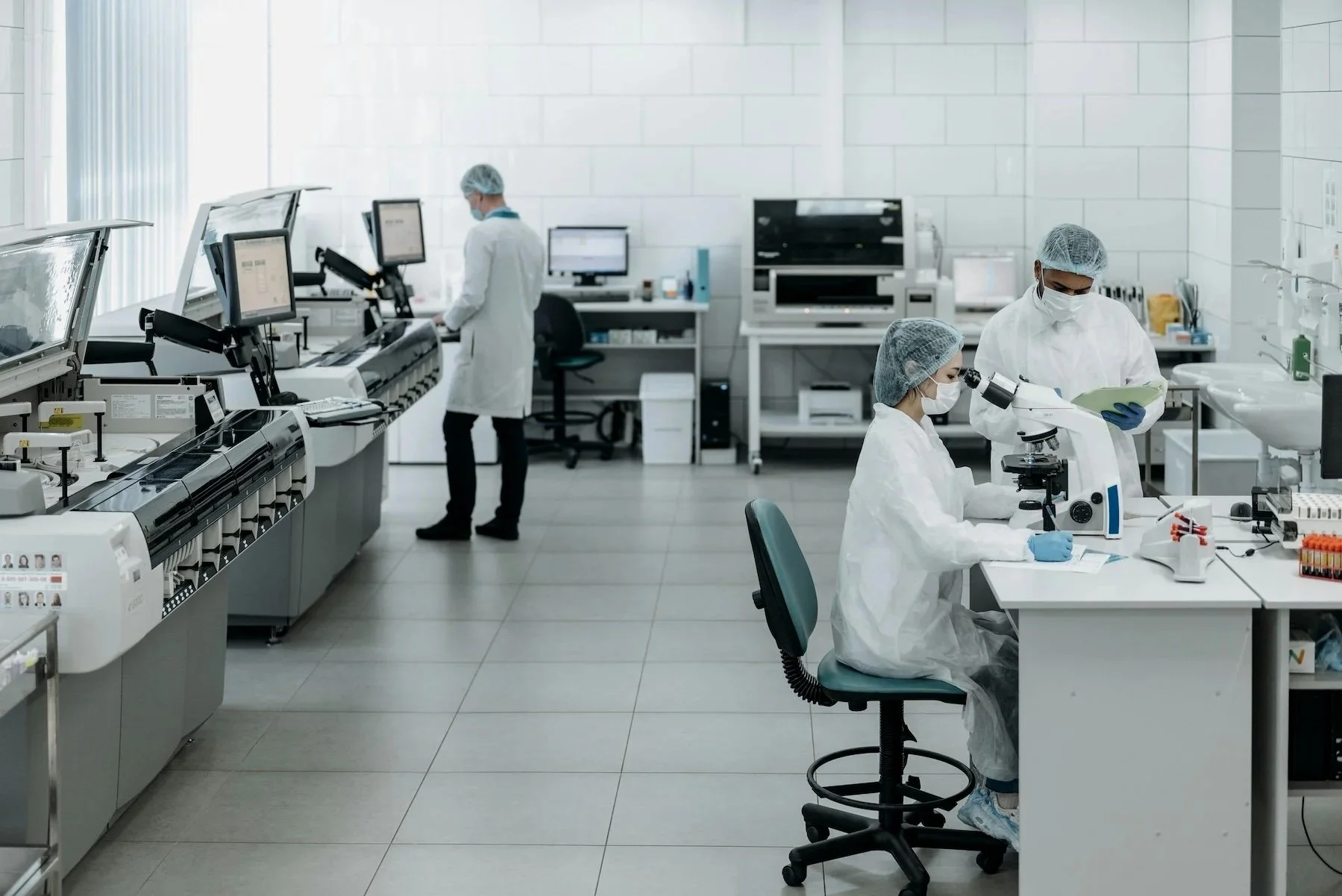
Medical innovation holds the power to transform lives, turning devastating diagnoses into treatable conditions and giving patients hope. Advances in biomedical research and medical device innovation are reshaping what is possible in health care, directly translating scientific discovery into healthier lives.
The Wyss Foundation supports work that reflects the vision and experience of its founder, Hansjörg Wyss, whose career in the medical device industry demonstrated how scientific discovery can improve patients’ lives. He witnessed firsthand how innovative devices dramatically shortened recovery from fractures and trauma, turning months of healing into weeks and enabling millions to return to daily life sooner. Through strategic investments in cutting-edge research institutions, support for translational medicine that shepherds discoveries from the laboratory to the clinic, and a commitment to developing technologies that improve patient outcomes, the Foundation works to accelerate the pace of medical progress and ensure its benefits reach as many people as possible.
The Need for Breakthrough Medical Research
Despite remarkable advances in medical science over the past century, millions of patients still face conditions for which no effective treatments exist. Rare diseases affect small patient populations that pharmaceutical companies often overlook, leaving families without hope for cures. Common conditions like stroke, spinal cord injury, and degenerative diseases continue to devastate lives because medical science has not yet unlocked ways to regenerate damaged tissues or restore lost function. Cancer remains stubbornly difficult to treat, with many patients experiencing limited benefit from existing therapies. Meanwhile, the global burden of disease continues to grow as populations age and chronic conditions become more prevalent.
The challenge extends beyond discovering new treatments to actually delivering them to patients who need them. A vast gap separates laboratory breakthroughs from clinical application, a "valley of death" where promising discoveries languish because they lack the funding, expertise, or infrastructure to develop into therapies. Academic researchers excel at fundamental discovery but often lack the resources and business acumen to translate their findings into medical products. Accelerating medical innovation requires more than just funding research. It demands building the infrastructure and expertise necessary to rapidly translate bench discoveries to the bedside.
The Wyss Foundation supports a comprehensive approach to biomedical research and medical device innovation, backing institutions and initiatives that bring together diverse expertise to address complex medical challenges. By investing in the full spectrum of development, from early-stage research through clinical validation, the Foundation helps ensure that promising treatments and new technologies reach the patients who need them most.
How the Wyss Foundation Advances Medical Technology
The Wyss Foundation's most significant investment in medical innovation came in 2008 with the establishment of the Wyss Institute for Biologically Inspired Engineering at Harvard University. At the time, it represented one of the most significant individual gifts in the university's history. The vision was ambitious: create an institute that would bridge the gap between academic research and real-world application by bringing together biologists, engineers, clinicians, and entrepreneurs to develop technologies inspired by nature's own solutions. More than fifteen years later, that vision has delivered remarkable results.
The Wyss Institute has become a groundbreaking hub for translational research, filing more than 4,700 patents and launching seventy-one startup companies that are bringing innovative technologies to market. The Institute's teams work at the intersection of biology, engineering, and design, tackling challenges that traditional academic departments might struggle to address. Its work spans diverse research areas, including soft robotics, advanced materials development, drug testing innovation, and infectious disease research. The Institute’s work is focused on ensuring that scientific discoveries are rapidly translated into applications that benefit patients.
Another major investment in medical research came in 2015 with the establishment of the Wyss Zurich Translational Center at the University of Zurich. Like the Wyss Institute, Wyss Zurich accelerates breakthrough innovations in regenerative medicine, robotics, bionics, and medical devices toward real-world impact. To date, Wyss Zurich has supported twenty-eight major projects, incubated twenty-two startups, and helped create more than 750 new jobs across multiple fields.
How the Wyss Foundation Supports Improvements to Patient Care
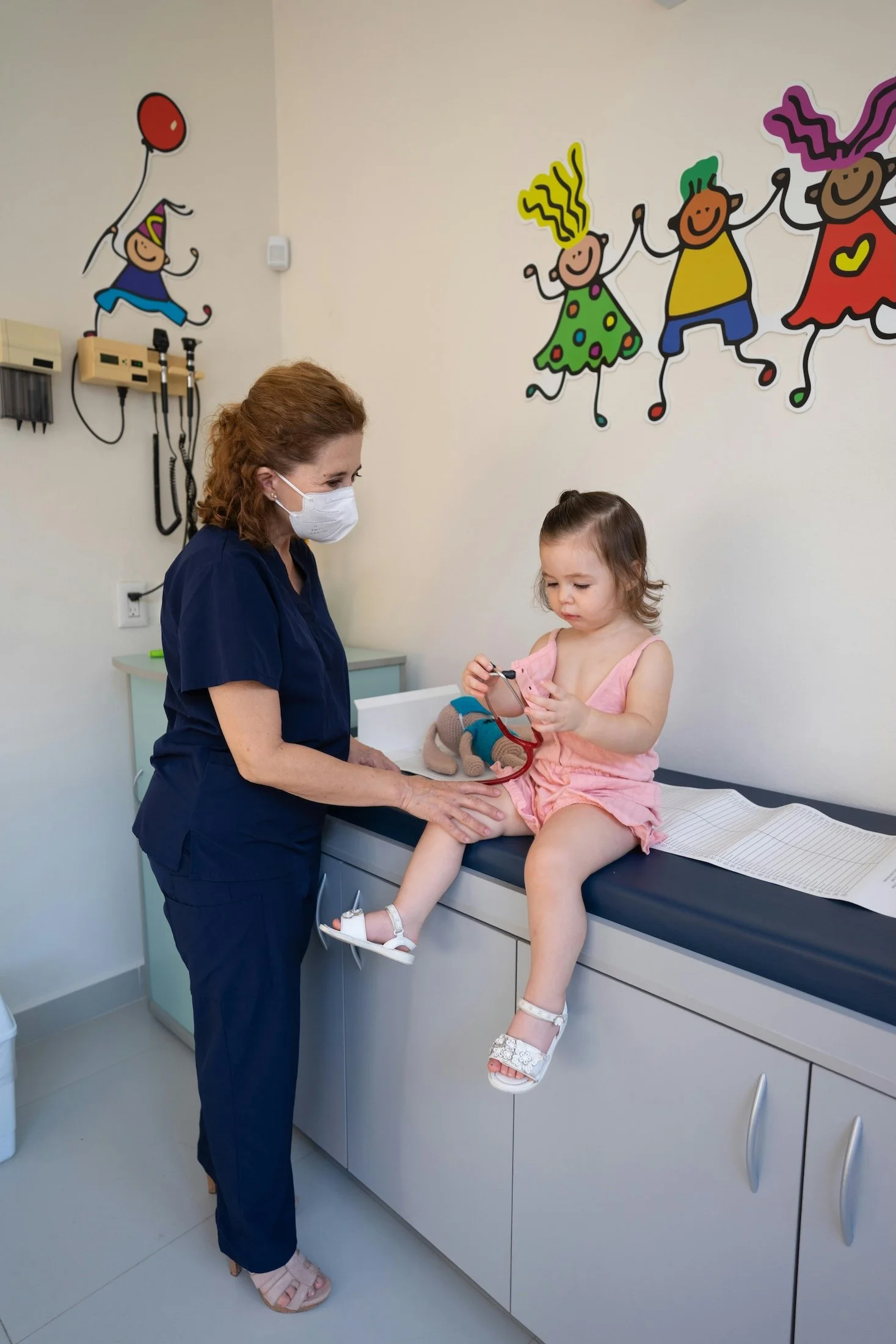
Beyond supporting breakthrough research, the Wyss Foundation has invested in specialized clinical programs that deliver immediate impact for patients facing rare and challenging conditions. The Foundation contributed millions to establish the Wyss/Campbell Center for Thoracic Insufficiency Syndrome at the Children's Hospital of Philadelphia, in honor of the late Dr. Robert Campbell. This center stands as the only multidisciplinary program in the United States solely devoted to treating children with thoracic insufficiency syndrome, a condition that impairs lung growth and breathing. Since its establishment, the center has introduced machine learning algorithms that produce three-dimensional "movies" of a patient's lungs, enabling personalized clinical therapy tailored to each child's unique anatomy. This support exemplifies the Foundation's commitment to translating laboratory research into transformative patient care—helping children breathe easier and live fuller lives.
In 2025, the Wyss Foundation gave a $10 million grant to Children’s Hospital Los Angeles to expand pediatric orthopedic care. The investment builds on the Foundation’s previous $5 million in support, which established the Hansjörg Wyss Orthopedic Trauma Initiative at the hospital in 2020. The initiative allowed the hospital, the only freestanding Level 1 Pediatric Trauma Center in Los Angeles County, to increase access to orthopedic care for trauma-related injuries and to provide twenty-four-hour coverage in the Emergency Department through on-call orthopedic specialists. The most recent grant will also enable the hospital to bring orthopedic services to its Santa Monica Specialty Care Center.
The Wyss Foundation is also committed to improving patient care for underserved communities. It has provided more than $4 million to Thomas Jefferson University and Jefferson Health to establish the Hansjörg Wyss Wellness Center, a clinic dedicated to delivering quality healthcare and social services to Philadelphia’s immigrant and refugee communities. The Center provides comprehensive and culturally competent primary care regardless of a patient’s health insurance.
The Foundation's medical innovation and patient care portfolio extends beyond these major initiatives to include support for fellowships, scholarships, and research programs across multiple institutions. These investments empower the next generation of researchers, clinicians, and innovators who will drive future breakthroughs in medicine and healthcare.
Frequently Asked Questions About Medical Innovation
What is regenerative medicine?
Regenerative medicine is an emerging field focused on repairing, replacing, or regenerating damaged cells, tissues, and organs to restore normal function. This approach moves beyond treating symptoms to actually healing the underlying damage caused by injury, disease, or aging. Regenerative medicine encompasses a diverse range of strategies, including stem cell therapies that can differentiate into the necessary cell types, tissue engineering that creates biological substitutes for damaged organs, and treatments that stimulate the body's own repair mechanisms. Research supported by institutions like the Wyss Institute explores biologically inspired approaches to regeneration, drawing lessons from organisms that can naturally regenerate lost tissues.
What is translational medicine?
Translational medicine is the process of moving scientific discoveries from the research laboratory into clinical practice, where they can benefit patients. Often described as "bench to bedside" research, translational medicine bridges the gap between basic science and medical application by bringing together researchers, clinicians, and industry partners to develop new diagnostics, treatments, and medical devices. The Wyss Institute exemplifies this approach, fostering collaboration among biologists, engineers, and physicians to turn breakthrough discoveries into practical medical solutions. Effective translational medicine requires not just scientific innovation but also expertise in regulatory pathways, manufacturing, and commercialization that can bring new therapies to market.
How does medical device innovation improve patient care?
Medical device innovation enhances patient care by enabling previously impossible treatments, improving the safety and effectiveness of existing treatments, and reducing recovery times, allowing patients to return to their lives more quickly. Breakthrough devices can transform devastating conditions into manageable ones—as demonstrated by the bone fracture treatments developed by Synthes that reduced recovery times from months to weeks. Advanced surgical devices enable minimally invasive procedures with less pain and faster healing. Diagnostic devices allow earlier disease detection, when treatments are most effective. Assistive devices, such as soft robotics, can help restore mobility and independence to patients with disabilities, dramatically improving their quality of life and enabling them to live more fully.