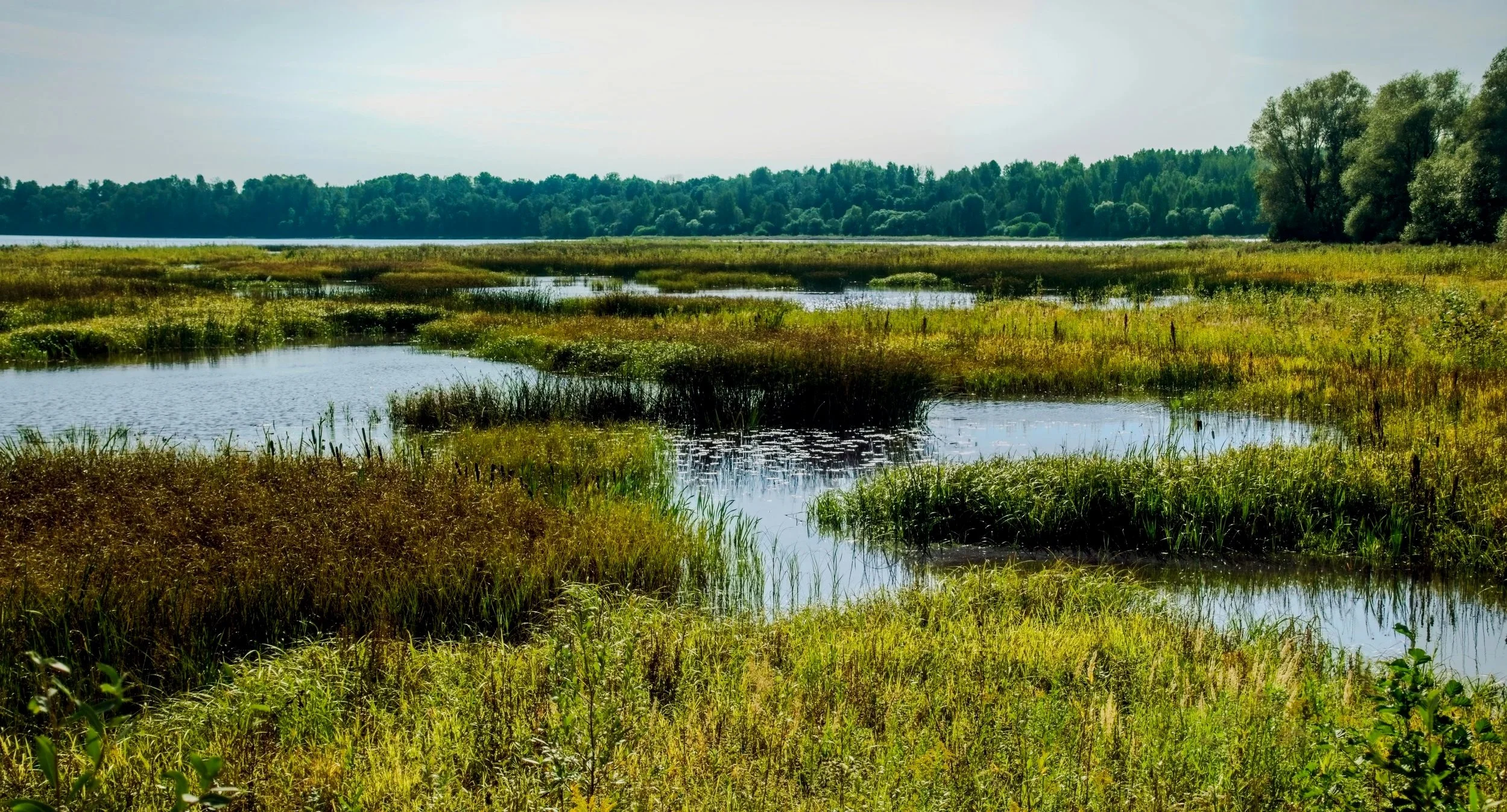
Water is a key component of life on Earth, sustaining ecosystems, communities, and economies across every continent. From the vast expanses of our oceans to meandering rivers, healthy water systems are essential to the well-being of our planet.
The Wyss Foundation supports local communities, Indigenous leaders, governments, and conservation organizations in an effort to safeguard both marine and freshwater ecosystems for generations to come.
The Critical Need for Large-Scale Water Conservation
Our planet's water systems face unprecedented threats. Climate change is altering precipitation patterns, increasing ocean temperatures, and intensifying storms that devastate coastal communities. Overfishing has depleted marine life, while pollution contaminates freshwater sources that billions of people depend upon. Coastal development destroys critical wetlands and mangroves that serve as natural buffers against storms and nurseries for marine life.
The consequences of inaction extend far beyond environmental impacts. Degraded marine ecosystems can no longer support the fishing communities that have depended on them for generations. Rising sea levels and increasingly severe storms put coastal populations at risk, potentially displacing millions of people in the coming decades. The collapse of water systems represents not just an ecological crisis but a humanitarian one that demands a swift response.
How the Wyss Foundation Supports Water Conservation
The Wyss Foundation supports projects across interconnected marine, coastal, and freshwater ecosystems. Through establishing protected areas, the Foundation collaborates with local and Indigenous communities to ensure that conservation efforts support ecological health and human well-being. This approach has proven successful across diverse contexts, from establishing some of the world's largest marine protected areas to protecting vital freshwater watersheds.
The Foundation's giving encompasses multiple ecosystems and scales of protection.
Fully protected marine areas allow fish populations to recover, supporting both ocean health and the livelihoods of fishing communities.
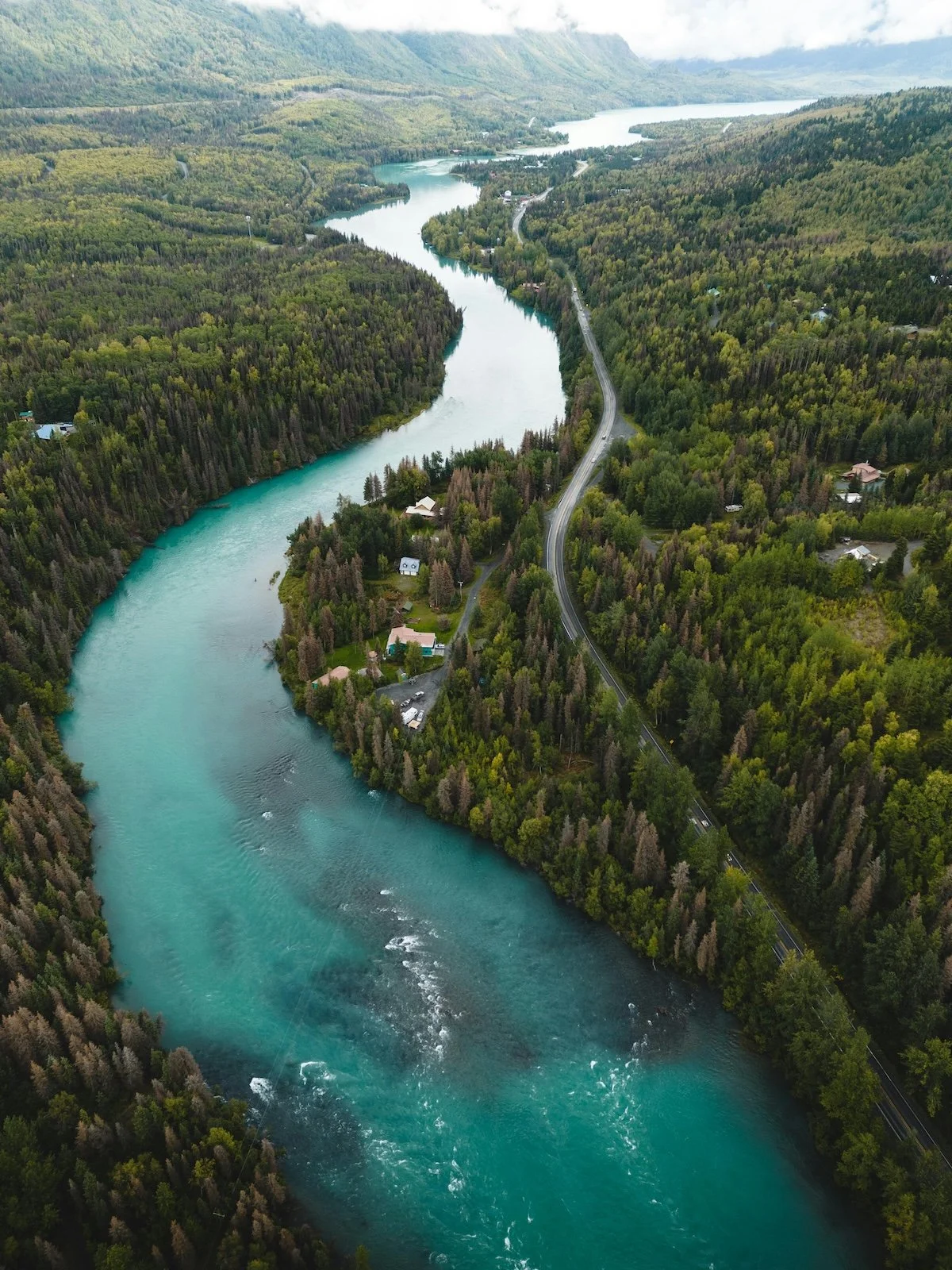
Preserved watersheds filter pollution naturally, providing clean drinking water to downstream communities while maintaining habitat for countless species.
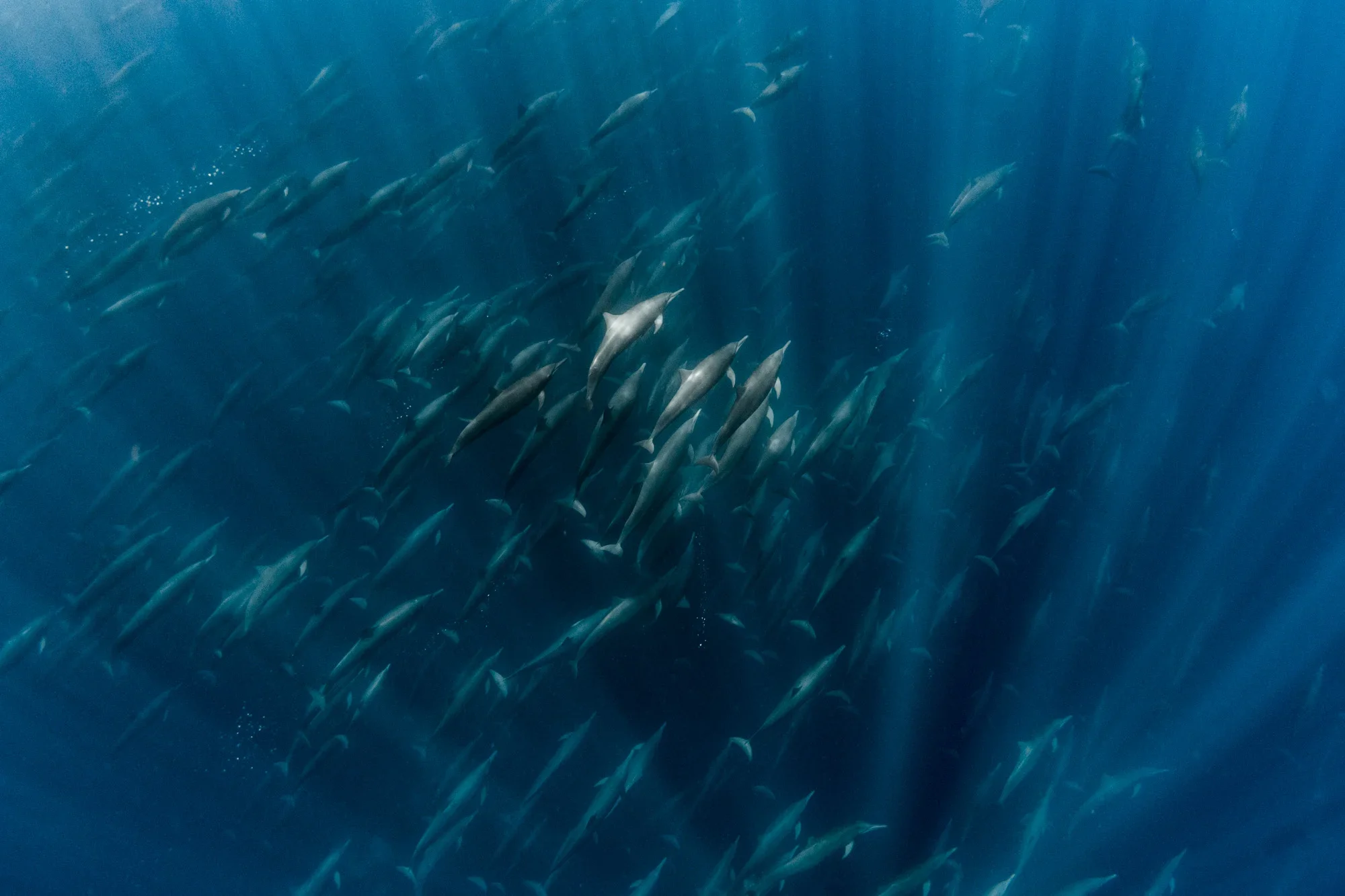
Marine conservation efforts focus on establishing and supporting large-scale ocean protections that safeguard biodiversity and protect at-risk species and habitats.
Coastal projects protect shoreline ecosystems, such as mangroves and salt marshes, that buffer communities from storms while providing critical habitat for marine species.
Freshwater conservation projects safeguard rivers, lakes, and watersheds that provide drinking water and maintain the health of downstream ecosystems.
The Wyss Foundation prioritizes permanence and scale. By supporting the establishment of legally protected areas and building the capacity of local partners to manage them effectively, the Foundation helps ensure the perpetuity of conservation efforts. The results speak for themselves: the Wyss Foundation and its partners have helped protect more than 3.2 million square kilometers of ocean—an area larger than India's landmass—creating refuges where marine life can flourish, and coastal communities can thrive.
The Wyss Campaign for Nature represents a collaborative approach to conservation, bringing together scientists, community leaders, Indigenous peoples, and conservation organizations to advance the goal of protecting thirty percent of the planet by 2030. This ambitious target, endorsed by more than one hundred countries, recognizes that safeguarding biodiversity and addressing climate change require protecting ecosystems at scale, including rivers, wetlands, coasts, and oceans that sustain life on Earth.
Our Protections
The Wyss Foundation currently supports several water conservation projects aimed at protecting critical marine ecosystems and freshwater resources. The Foundation’s grants range from supporting technical studies that identify priority conservation areas to supporting infrastructure and community programs that make conservation work over the long term. By investing in local capacity and ensuring that communities benefit from conservation, these projects create lasting protections.
Visit the Wyss Campaign for Nature to learn more about these projects and discover how our partners are working to protect some of the world's most vital marine and freshwater ecosystems.
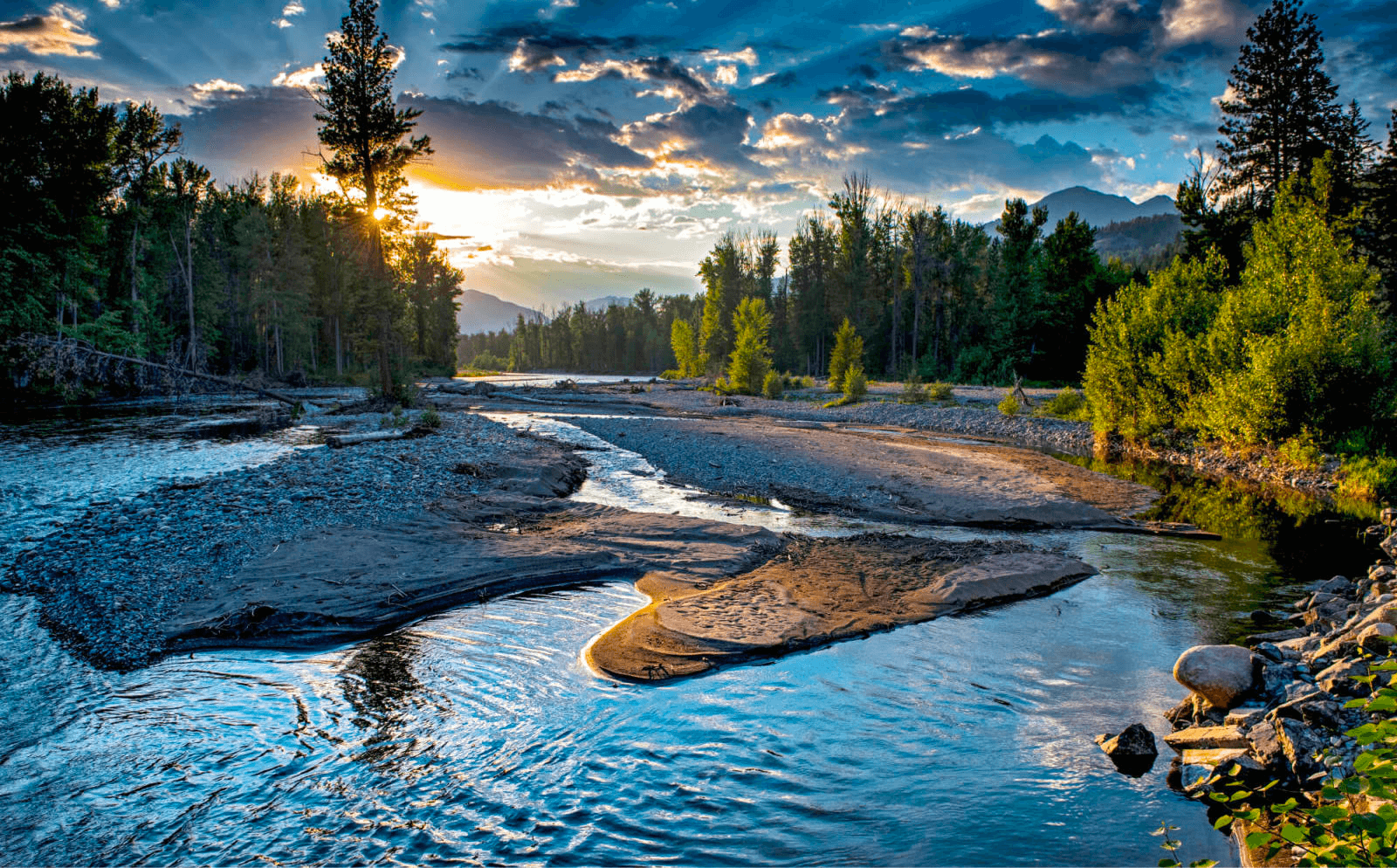
Photo credit: Western Rivers Conservancy
Frequently Asked Questions About Water Conservation
What is water conservation?
Water conservation encompasses efforts to protect, restore, and sustainably manage aquatic ecosystems, including oceans, rivers, lakes, wetlands, and coastal areas. It involves establishing protected areas where intact ecosystems can be protected from harmful human impacts. This creates more opportunities to manage water resources sustainably and ensures that human communities can thrive alongside healthy water systems.
Why is there a need to conserve water?
Water systems worldwide face mounting pressures from climate change, pollution, overfishing, and development. Healthy water ecosystems provide essential services, including clean drinking water, food from fisheries, climate regulation, and protection from storms and floods. Without conservation action, we risk losing these benefits along with the incredible biodiversity that aquatic ecosystems support. Conserving water ensures that future generations inherit oceans, rivers, and wetlands that can continue supporting life.
How does conserving water help the environment?
Conserving water ecosystems delivers profound environmental benefits that extend far beyond the water itself. Protected marine areas allow overfished populations to recover, rebuilding the ocean's biodiversity and productivity. Preserved watersheds filter pollutants naturally and maintain steady water flows that prevent floods and droughts. Coastal wetlands and mangroves sequester vast amounts of carbon, helping to mitigate climate change while protecting shorelines from erosion and storms. Healthy water systems support countless species, from microscopic phytoplankton that produce a significant portion of Earth's oxygen to whales, salmon, and waterbirds that remind us of nature's grandeur.
What is the 30x30 conservation initiative?
The 30x30 initiative is a global commitment to protect thirty percent of Earth's lands and waters in a natural state by 2030, recognizing this as a critical threshold for maintaining biodiversity and ecosystem function. In 2022, nearly 200 countries ratified the Global Biodiversity Framework, a plan to preserve at least 30% of the planet’s lands and waters by 2030, making it one of the most ambitious conservation goals in history. The Wyss Foundation helped catalyze this movement through the Wyss Campaign for Nature, committing at least $1.5 billion to advance progress toward the 30x30 goal. Achieving this goal requires establishing new protected areas, improving management of existing ones, recognizing Indigenous and community-conserved areas, and ensuring that protection delivers benefits for both nature and people.