Wildlife faces an unprecedented crisis as habitat loss, climate change, and human pressures push species toward extinction. Protecting wildlife requires protecting the lands and waters where species live, breed, and migrate. Through investments in large-scale habitat protection, partnerships with communities and conservation organizations, and support for science-based management, the Wyss Foundation works to ensure that wildlife populations can recover and thrive.
Why Wildlife Protection Matters Now More Than Ever
More than 1 million species face extinction in the coming decades, a catastrophic loss that would unravel ecosystems that took millions of years to evolve. The primary driver of this crisis is habitat destruction: forests cleared, grasslands developed, wetlands drained, and rivers dammed or diverted. As natural areas shrink and fragment, wildlife populations lose the space they need to find food, raise young, and maintain their population.
Climate change compounds these threats, challenging species' ability to adapt. Rising temperatures force wildlife to shift their ranges toward cooler areas, but human development often blocks these migrations. Changing precipitation patterns alter the timing of plant flowering and insect emergence, disrupting the intricate relationships that species depend upon. Ocean warming and acidification devastate coral reefs and alter marine food webs, threatening fish populations and the predators that depend on them. Species that cannot adapt quickly enough or move to a livable habitat face extinction, taking with them their unique evolutionary adaptations.
The consequences of wildlife loss extend far beyond the species themselves. Healthy wildlife populations maintain ecosystem functions that people depend upon. Predators like wolves and lions control herbivore populations that might otherwise overgraze vegetation. Pollinators like bees and butterflies enable the reproduction of plants that provide food and materials. Scavengers like coyotes and raccoons clean up carcasses that could spread disease. When wildlife disappears, these ecological relationships collapse, often triggering cascading effects that destabilize entire ecosystems. Moreover, wildlife holds immense cultural and spiritual significance for communities worldwide, particularly Indigenous peoples whose traditions and identities are deeply connected to the animals that share their landscapes. Protecting wildlife means protecting both ecological integrity and cultural heritage.
How the Wyss Foundation Protects Wildlife
The Wyss Foundation and its partners are working to support landscape-scale protection of nature that maintains the full complement of habitats that wildlife needs throughout their life cycles. This strategy has enabled the permanent protection of more than 130 million acres of land and more than 5.7 million square kilometers of ocean—creating natural refuges where wildlife populations can recover from past pressures and maintain the genetic diversity necessary to adapt to future challenges.
The Foundation supports the protection of areas of exceptional biodiversity. These places harbor numerous species found nowhere else on Earth or serve as critical habitat for threatened and endangered wildlife. By working with communities, scientists, governments, and conservation organizations to identify these priority landscapes, the Foundation ensures its investments deliver maximum benefit for wildlife and people. This multifaceted approach has supported the protection of tropical forests, grasslands, coastlines, mountain ranges, and marine areas.
Wildlife conservation must benefit both people and nature. Many of the world's most biodiverse landscapes are home to Indigenous peoples and local communities who have coexisted with wildlife for generations. The Foundation collaborates with these communities to support conservation approaches that respect traditional practices, provide economic benefits, and ensure local voices guide management decisions. This community-centered approach has proven essential to long-term success, creating the local support necessary for wildlife populations to recover and thrive. From supporting sustainable practices that maintain habitat for wildlife to partnering with Indigenous communities to protect their traditional territories, the Foundation's work demonstrates that people and wildlife can coexist and flourish together.
The Wyss Foundation's wildlife conservation projects include protecting some of the world's iconic and most threatened species.
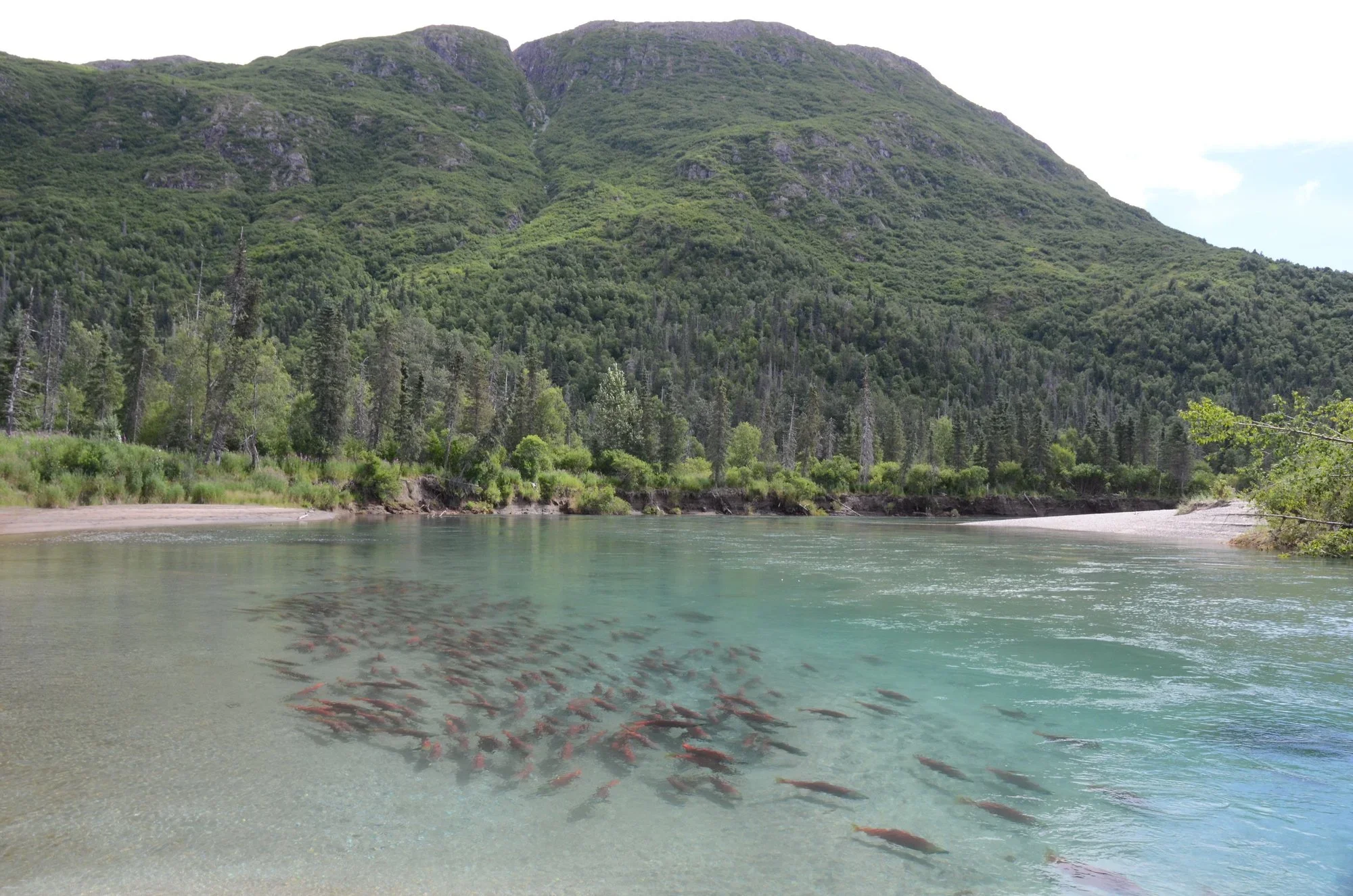
In the U.S., the Pedro Bay project protected a portion of the largest wild salmon fishery in the world. Fifty-seven percent of the global sockeye salmon harvest originates in the spawning habitat at Pedro Bay.
In North America's boreal forests, the Boreal Wildlands in Canada protects vast intact landscapes that support caribou, wolverines, wolves, and other species adapted to these northern ecosystems.
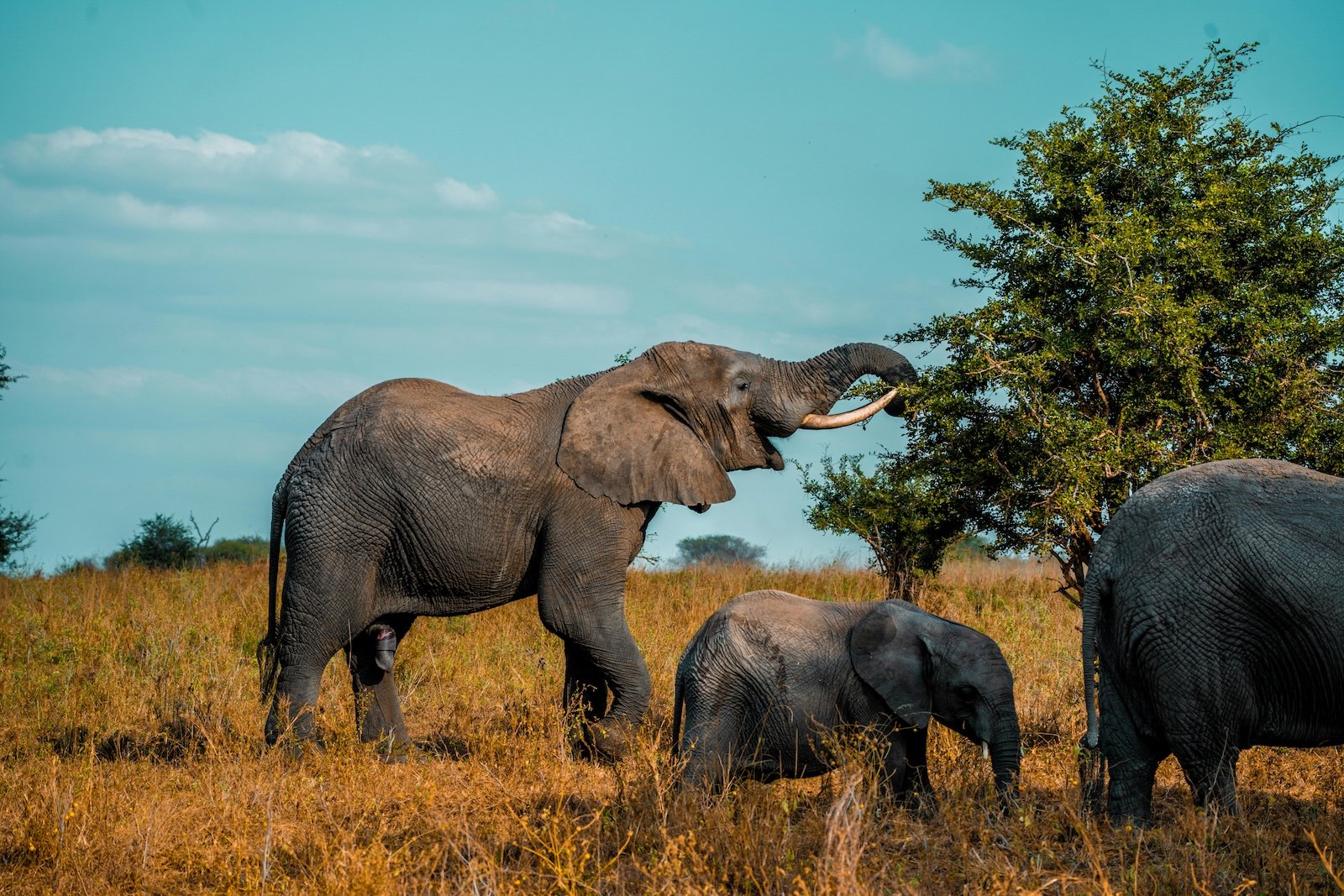
In Africa, the Foundation's partnership with organizations like the Frankfurt Zoological Society supports ecosystems across Africa, protecting elephants, lions, and giraffes while providing employment and benefits to surrounding communities. These investments help combat poaching, restore degraded habitats, and ensure that Africa's spectacular wildlife endures for future generations. The Lolldaiga Hills Ranch in Kenya maintains habitats for elephants, lions, and numerous other species.
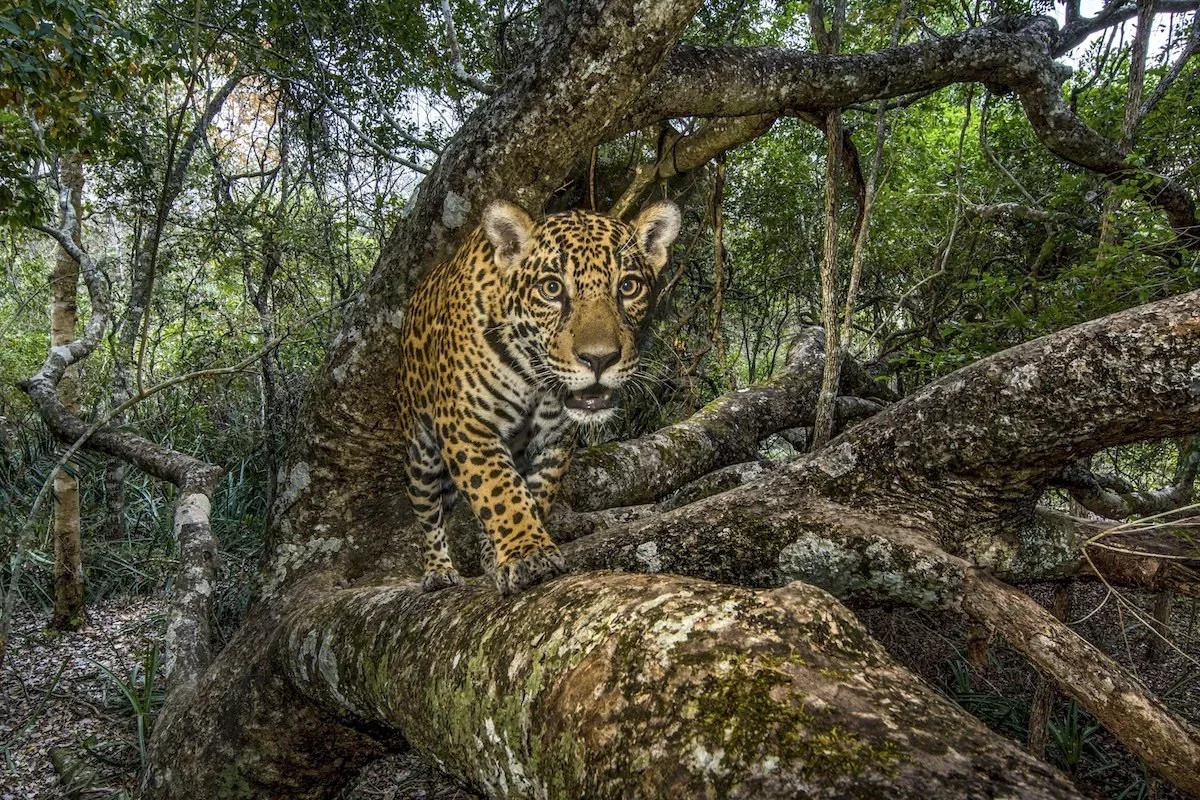
In Central America, the Foundation supports the Maya Forest Corridor in Belize, protecting critical habitat for jaguars—the largest cat in the Americas—along with tapirs, howler monkeys, and hundreds of bird species. This project maintains connectivity between larger protected areas in the Selva de Maya, allowing wildlife to move freely across the landscape.
In Central Asia, support for the Bokey Orda State Nature Reserve and Ashiozek State Nature Sanctuary in Kazakhstan protects habitat for the critically endangered saiga antelope, whose populations have declined dramatically but are beginning to recover thanks to conservation action.
The Foundation's work in Australia demonstrates the importance of protecting diverse ecosystems within biodiverse regions. Projects, including the Eastern Outback Parks, Mt. Gibson Protected Area, and Munga-Thirri-Simpson Desert National Park, safeguard habitats for unique Australian wildlife, ranging from kangaroos and wallabies to rare desert-adapted birds and reptiles.
In the Caucasus Mountains of Georgia, Foundation support protects a biodiversity hotspot that harbors species found nowhere else on Earth.
Marine wildlife also benefits from the Foundation's investments.
The Foundation's support helped establish the largest marine protected area in the Atlantic Ocean around the island of Tristan da Cunha, protecting critical habitat for albatrosses, penguins, and numerous fish species.
The Redonda Ecosystem Reserve in Antigua and Barbuda has enabled remarkable ecosystem recovery, with seabird populations rebounding dramatically after the removal of invasive species.
The Peninsula Mitre in Argentina protects coastal and marine ecosystems at the southern tip of South America, safeguarding habitat for marine mammals, seabirds, and the unique wildlife of this remote region.
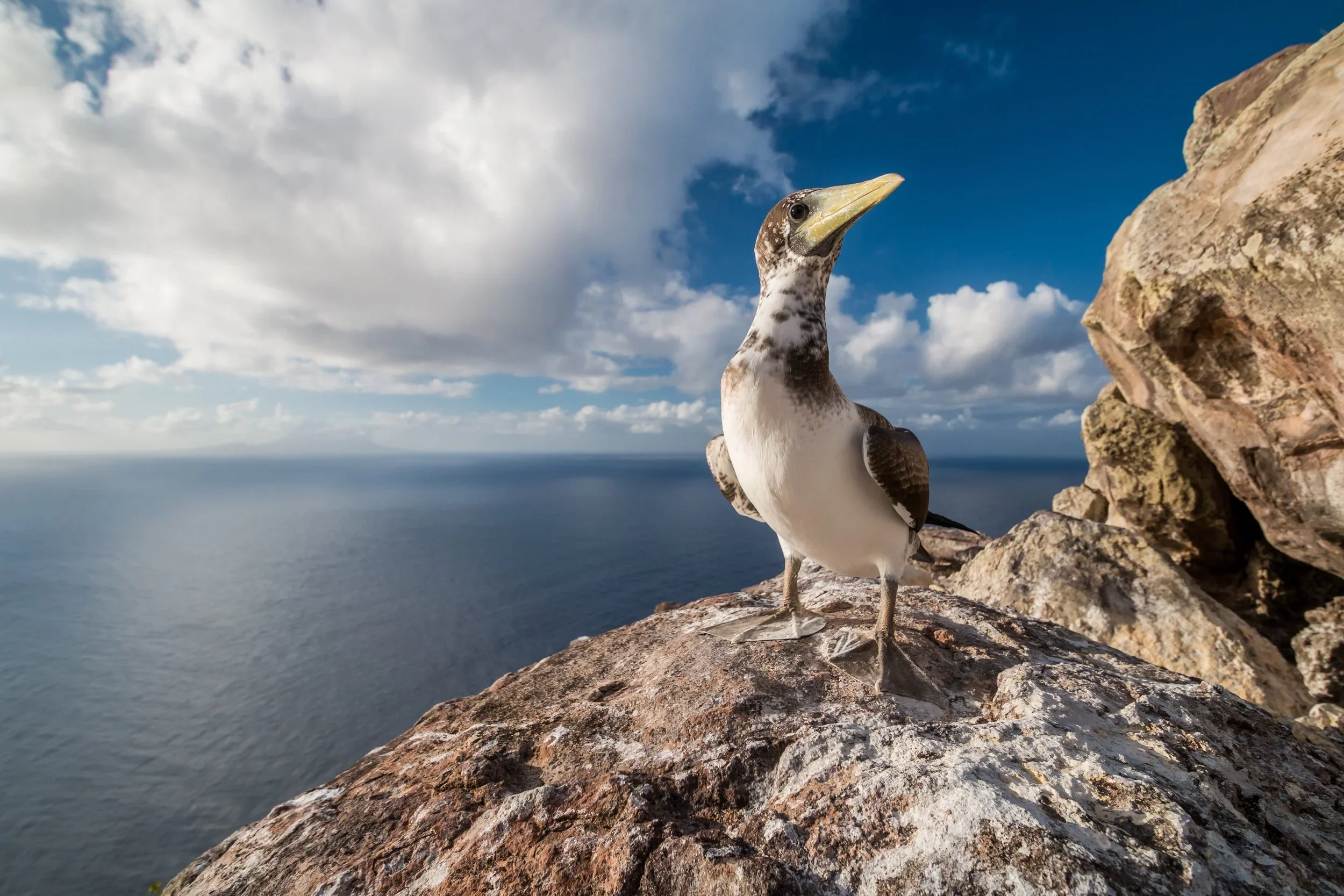
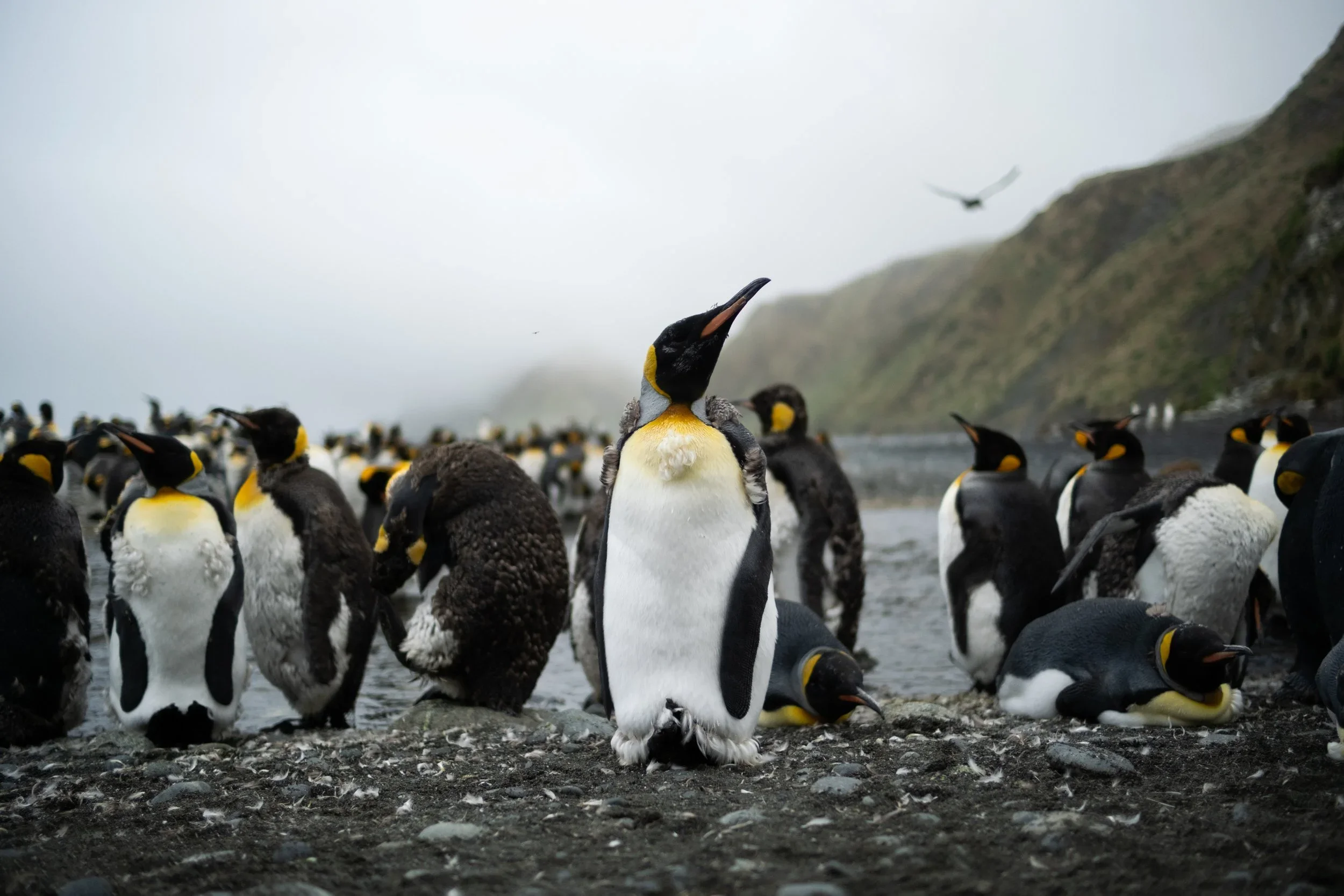
Australia and South Pacific Marine Protected Areas (Australia and New Caledonia) | Photo Credit: N.B. Frayne
Current Wildlife Conservation Projects in Action
The Wyss Foundation’s wildlife conservation projects demonstrate how strategic habitat protection delivers lasting benefits for wildlife populations while supporting the communities that coexist with these species.
Visit the Wyss Campaign for Nature to explore the full range of wildlife conservation initiatives the Foundation supports and learn how protecting habitat at scale gives species the space they need to survive and thrive.
Frequently Asked Questions About Wildlife Conservation
What is wildlife conservation?
Wildlife conservation includes efforts to protect animal species and their habitats from threats, including habitat loss, poaching, climate change, pollution, and human-wildlife conflict. Effective wildlife conservation requires maintaining the ecosystems that species depend upon, addressing the human pressures that threaten their survival, and ensuring that conservation efforts benefit wildlife and local communities. This work encompasses establishing and managing protected areas, restoring degraded habitats, combating illegal wildlife trade, conducting research to inform management decisions, and supporting communities coexisting with wildlife in ways that provide mutual benefits.
What are some examples of wildlife conservation efforts?
Wildlife conservation efforts take many forms depending on the species and threats involved.
Large-scale habitat protection creates refuges where entire ecosystems can function naturally, as demonstrated by the Wyss Foundation's support for projects protecting millions of acres across six continents.
Targeted interventions address specific threats, such as anti-poaching efforts that have helped elephant populations stabilize in protected African parks, or habitat restoration projects, like the Penobscot River salmon habitat reconnection, which restored access to one thousand miles of historical spawning grounds.
Community-based conservation programs support local people to protect wildlife on their lands, combining conservation with sustainable livelihoods that reduce human-wildlife conflict and create incentives for species protection.
How does the Wyss Foundation protect wildlife?
The Wyss Foundation protects wildlife primarily through large-scale habitat conservation, recognizing that species cannot survive without intact ecosystems. The Foundation has helped permanently protect more than 130 million acres of land and more than 5.7 million square kilometers of ocean, creating refuges where wildlife populations can recover and thrive. Foundation investments support the establishment and management of protected areas, partner with Indigenous peoples and local communities leading conservation on their lands, and build the capacity of conservation organizations working to protect threatened species. By focusing on landscape-level protection guided by science and community needs, the Foundation's approach addresses the root cause of wildlife decline—habitat loss—while ensuring conservation delivers benefits for both wildlife and people.
What is the 30x30 conservation initiative?
The 30x30 initiative is a global commitment to protect thirty percent of Earth's lands and waters in a natural state by 2030, recognizing this as a critical threshold for maintaining biodiversity and ecosystem function. In 2022, nearly 200 countries ratified the Global Biodiversity Framework, a plan to preserve at least 30% of the planet’s lands and waters by 2030, making it one of the most ambitious conservation goals in history. The Wyss Foundation helped catalyze this movement through the Wyss Campaign for Nature, committing at least $1.5 billion to advance progress toward the 30x30 goal. Achieving this goal requires establishing new protected areas, improving management of existing ones, recognizing Indigenous and community-conserved areas, and ensuring that protection delivers benefits for both nature and people.